
Knowledge Vault





All Knowledge Vault Articles
-
The Aesthetics of Anatomy
We often encounter naysayers when it comes to the importance of anatomy for the artist. This is common advice from the mimesis minions. At face value, it is easy to scare the novice into believing that knowledge of anatomy will hurt their drawings. It appears far to medical, to complicated, and to Latin. To aide…
-
DISEGNO
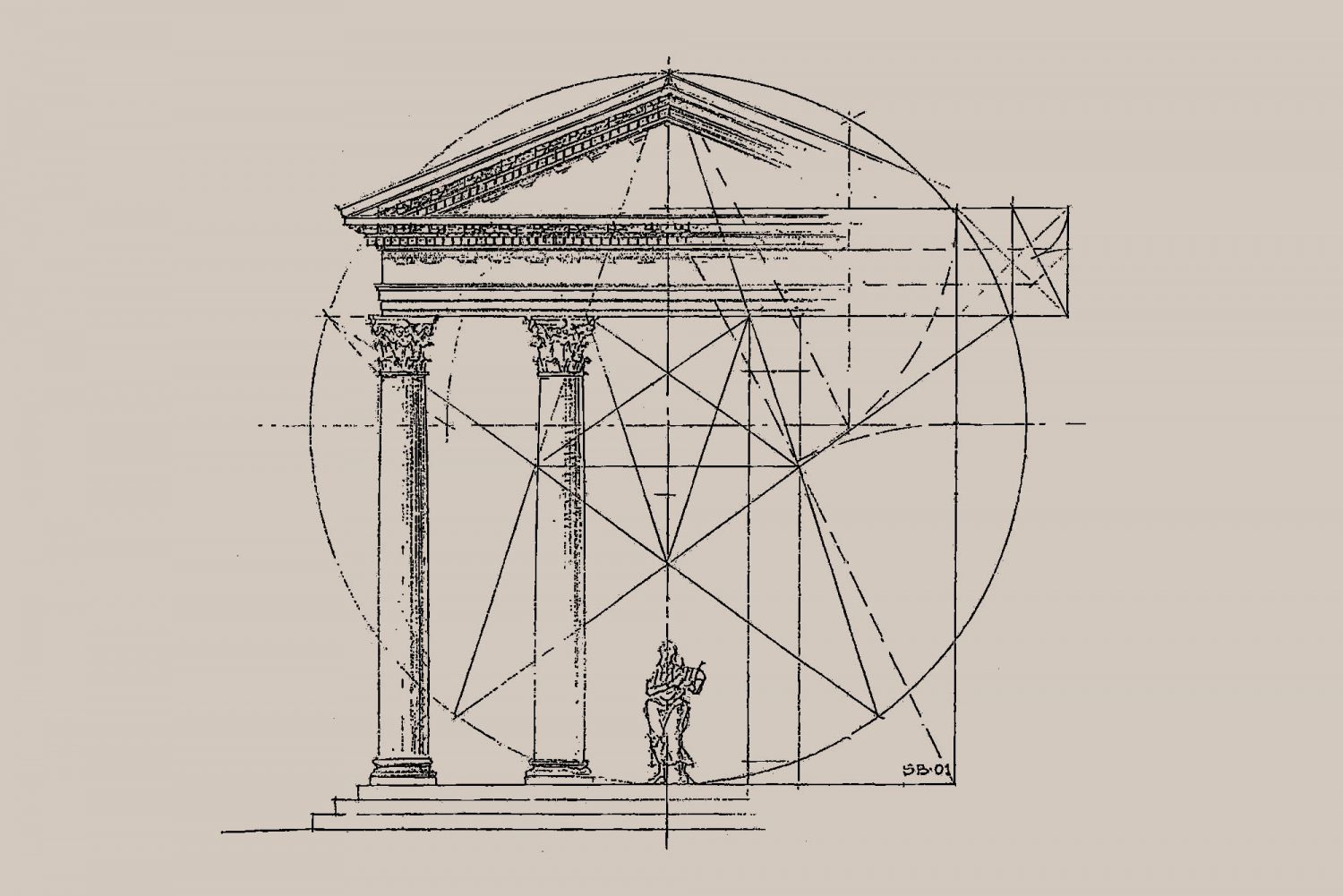
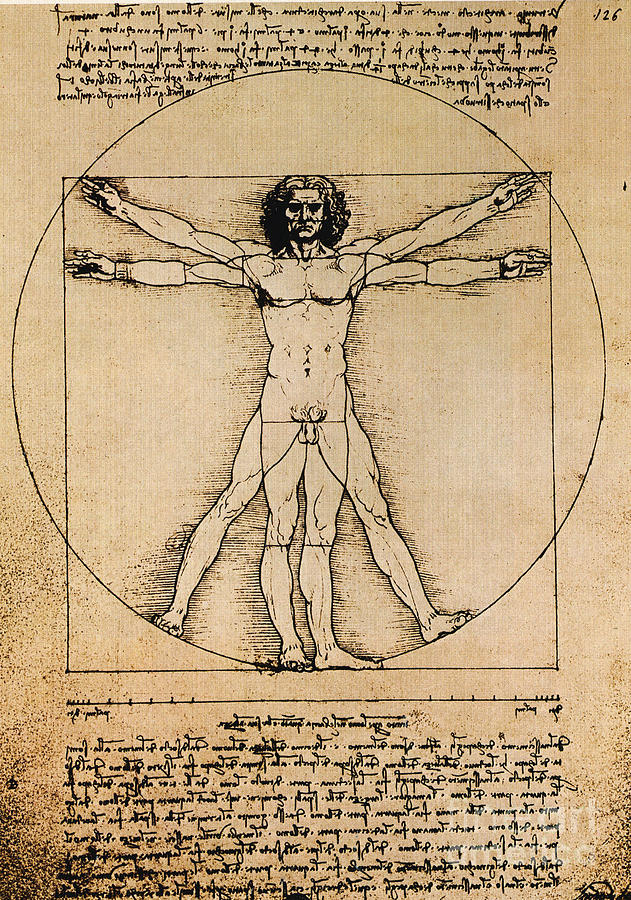
The Society of Figurative Arts uses the word Disegno to refer to both Design and Drawing much as the Renaissance Italians did. They recognized Drawing as classical design, a position we share. The system of Disegno used by Leonardo were discovered in the writings of Vitruvius 80-70 BC (The first Roman Architect) lead to Leonardo’s…
-

R.(U.)D.I.M.E.N.T.S.
(U)NDERSTAND As opposed to popular belief, the master draughtsman doesn’t copy what they see; they capture the gestalt, the simplest known visual aspects of the subject at hand. Drawing/design is, at its core, a creative decision-making process. The first task is to identify and quantify the model’s visual aspects, followed by a determination of which…
-
RUDIMENTS OF DRAWING & DESIGN
Rudimenti di disegno Why is there an Italian subtitle? These essential design principles were rediscovered and further developed during the Italian Renaissance. Most of these Drawing and Design systems pre-date the Renaissance, but for us, it is our most tangible historical resource. What exactly are Rudiments? Rudiments are the fundamentals, the building blocks, the essential…
-
FIGURE CONSTRUCTION
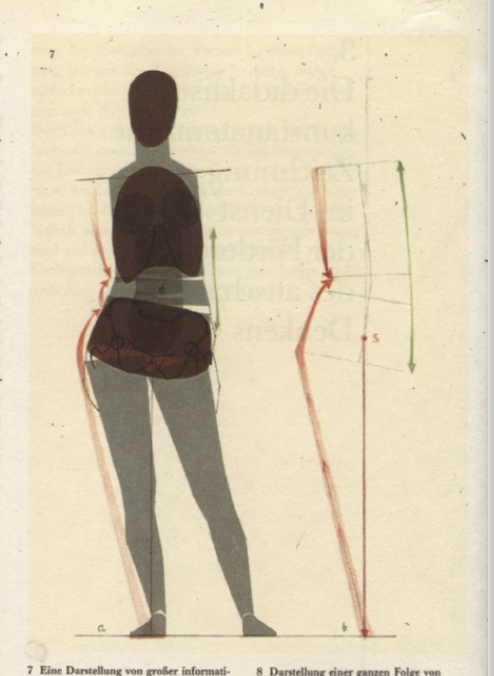
More commonly referred to as ANATOMY or ARTISTIC ANATOMY is not just important; it is essential. If your mentor tells you, there is no need to know anatomy, or that it will get in the way, start looking for a new mentor. The only reason they would tell you that is because they know very…
-
A COUPLE OF OBSERVATIONS ABOUT OBSERVATION
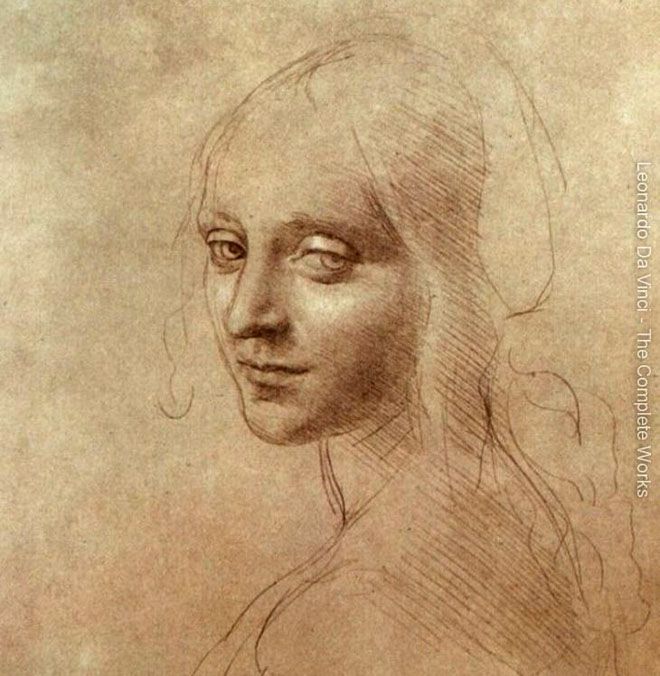
Observational skills are an essential aspect but not the most paramount by far. The master draughtsman never draws what they see, they draw what they know to look for. The master draughtsman doesn’t shade to turn form, they SHAPE it with planes to create form. They don’t copy nature they interpret it. Their skill-sets are…
-
THE TRINITY OF MASTERY
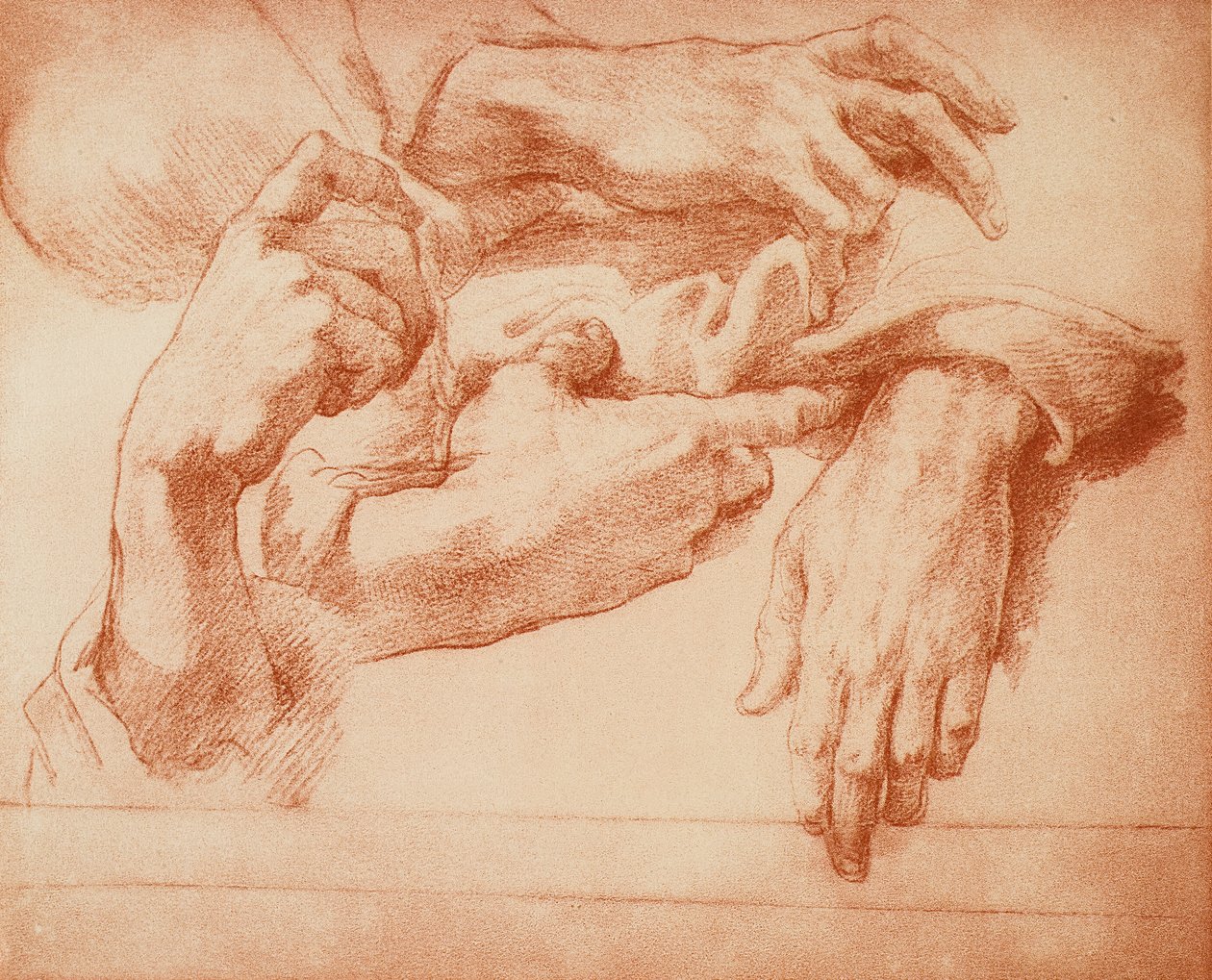
Core Academic Training There are three areas where the apprentice has the most to learn. They are: drawing from life, drawing masterworks, and drawing from imagination. The apprentice must include a third of each in their studies as the world’s great masters have done for over six centuries. Practitioners in past centuries studied and analyzed…
-
ARCHITECTONIC DISEGNO
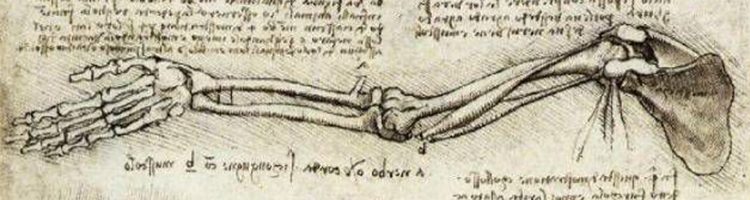
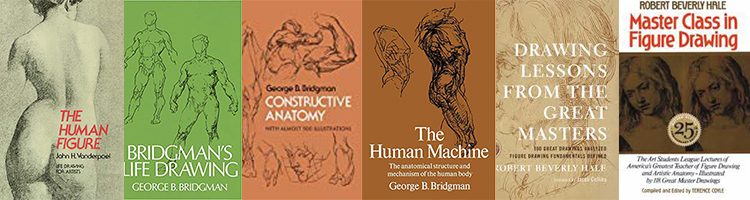
The apprentice’s advancement requires a careful study of figure structure, as elucidated by Richer, Bridgman, and Hale, familiarizing themselves with the bony structure of the skeleton, and the location, origin, insertion, and function of the muscles. FIGURE STRUCTURE Architectonic Disengno The Architectural Design and Structure of the Human Form The skeletal system is compliant with…
-
THE FOUR ELEMENTS OF MASS CONCEPTION
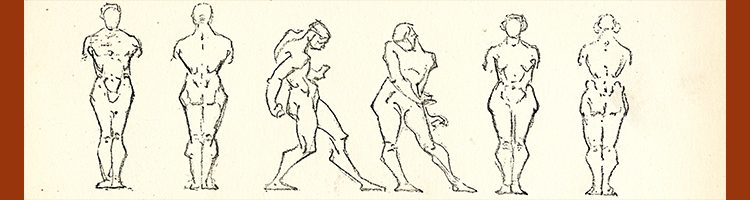
THE FOUR ELEMENTS OF MASS CONCEPTION The apprentice should make a daily practice of drawing cubes, spheres and cylinders. In the architectonic drawing, all other forms are composed of these forms or parts of them. The master draughtsman can give the illusion of any complex subject by combining the simple forms or parts of the…
-
Ruskin on Anatomy
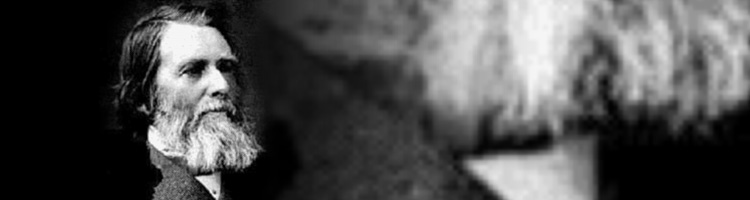
Mister Ruskin, who is wrong on most things art, elects to downgrade the whole of art to appeal to the common man. This is an attempt to place visual literacy as the same level of attainment of all art past or present. Ruskin’s vision of naturalism largely propagates the idea that we draw what we see, this…