
Knowledge Vault


All Knowledge Vault Articles
-
Chardin • Real Realism
Posted on
Jean Siméon Chardin was born in 1699 and came to manhood a when the Rococo of Watteau, Fragonard, and Boucher was the style de jour. Rococo rivaled in decadent frivolity, depicting erotic nudity, romantic trysts, and carnality. The reality we associate with painting how we see in the manner of Velasques, Vermeer, and Chardin was
-
The Brotherhood of Zinc
Posted on
According to the Zinc Zealots, all of the paintings of the Pre-Raphaelite Brotherhood should have fallen off their supports long ago. Obviously that did not happen with the their painting and thousands upon thousands of other paintings done with Zinc White that hang in museums. The Pre-Raphaelite Brotherhood used prepared canvases with layers of flake
-
The Twilight of Contour
Posted on
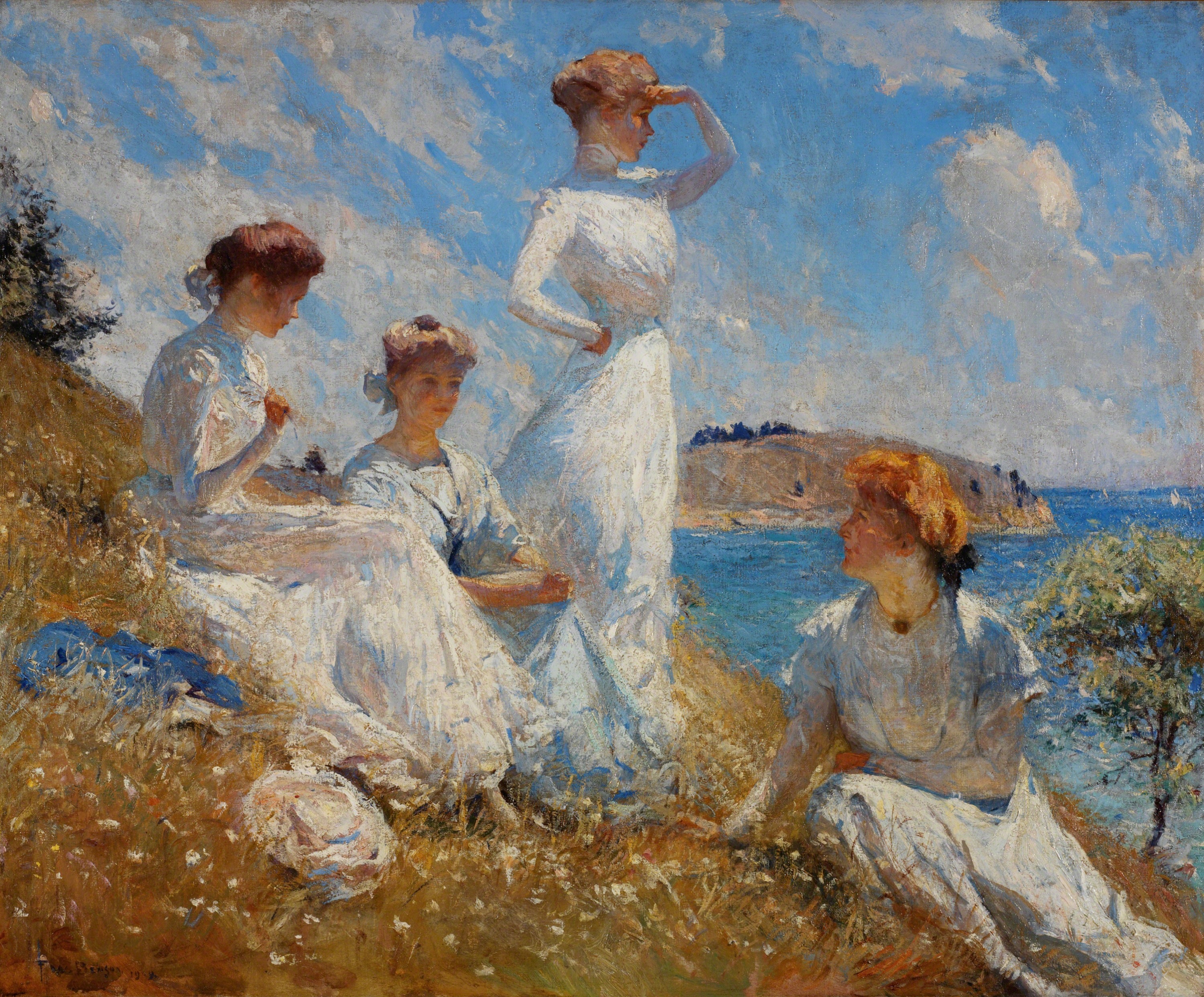
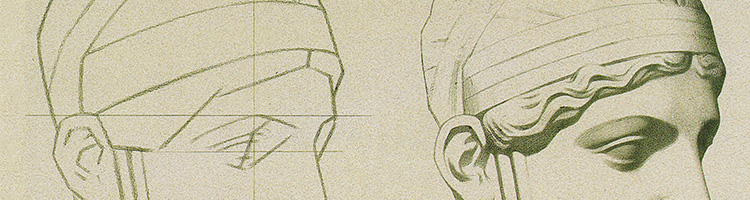
Let us begin with what is known as the Boston School of Painters. Key figures in the Boston School were Edmund C. Tarbell, Frank Weston Benson, and William McGregor Paxton, all of whom trained in Paris at the Academie Julian and later taught at the School of the Museum of Fine Arts. Other painters associated
-
ACADEMIC XENOPHOBIA
Posted on
Once upon a time, the French Academy dictated what was defined as Fine Art and what was not. If one did not follow the Academies rules, he was considered unskilled, untalented, and scorned by the Academy. We use ‘He’ here because the official Academy did not admit women. These regulated regurgitated governmental dictums held sway
-
EACH TO THEIR OWN DEVICES
Posted on
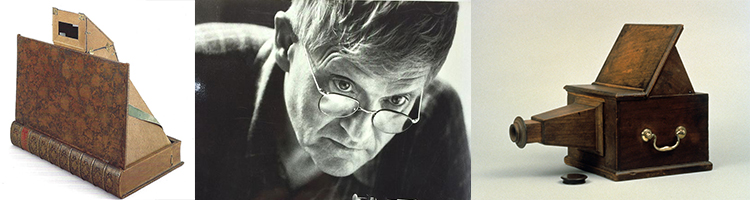
In his book ‘Secret Knowledge’ Hockney and Professor Martin Kemp, discuss known visual procedures of past Masters. This evidentiary material allows the reader to arrive at their own conclusions. There is more than enough scholarly evidence that Vermeer, and many others, used a form of ‘Camera Obscura’ or curved mirror as a visual aide in
-
AND APPLE A DAY
Posted on
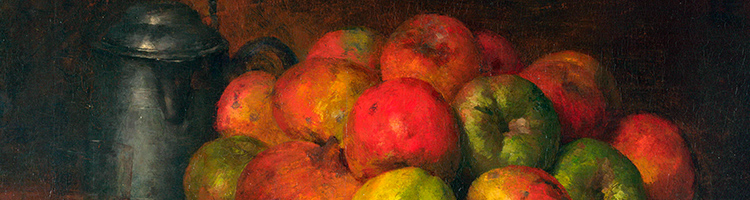
We are often asked the difference between Realist and Representational Art. The image to the left is, of course, a photograph. Photographs are what realist art is compared to. This illustration of an apple is an example of what one might find in a vintage seed catalog. It actually describes the apple in terms of
-

THE PATH TO MASTERY
Posted on
Mastery requires comprehending a multitude of ideas simultaneously. Since one’s conscious brain can only understand one thing at a time, this task becomes the province of one’s subconscious. For the Draughtsman, this means the establishment of a knowledge vault filled with a vast resource of material. At the core of this subconscious knowledge base resides
-

Navigating The Drawing Process
Posted on
Getting back to ‘R.U.D.I.M.E.N.T.S.,’ we have arrived at ‘N,’ which is a placeholder for ‘Navigation.’ The creative journey is never-ending; the goal is ‘Mastery’ which is elusive, undefinable, and rarely attained. The path is long and the trek takes time, but time flies when you are having a good time. ‘Have no fear of perfection – you’ll never reach it.’
-
FORESHORTENING
Posted on
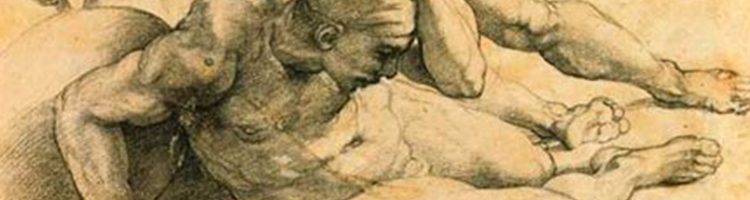
Believable ‘aspective’ views’ play a major role in foreshortening. When the two methods the Old Masters used to solve the problems of extreme foreshortening are revealed, the novice is baffled to no end. The Master draughtsman has two basic methods of dealing with extreme foreshortening. Method Number One: They ‘eliminated‘ it. Method Number Two: They
-
ASPECTIVE VIEW
Posted on
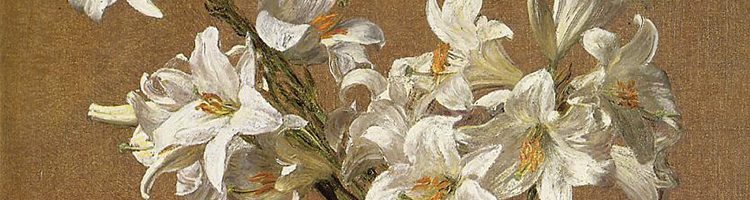
The late Myron Barnstone may not have invented the word ‘aspective’ but he certainly expanded and cemented its meaning. The word ‘aspective‘ seems to have been coined to describe Ancient Egyptian art. The Ancient Egyptians depicted the most recognizable aspects of things. The Egyptians depicted various parts of their subjects to provide the most recognizable