
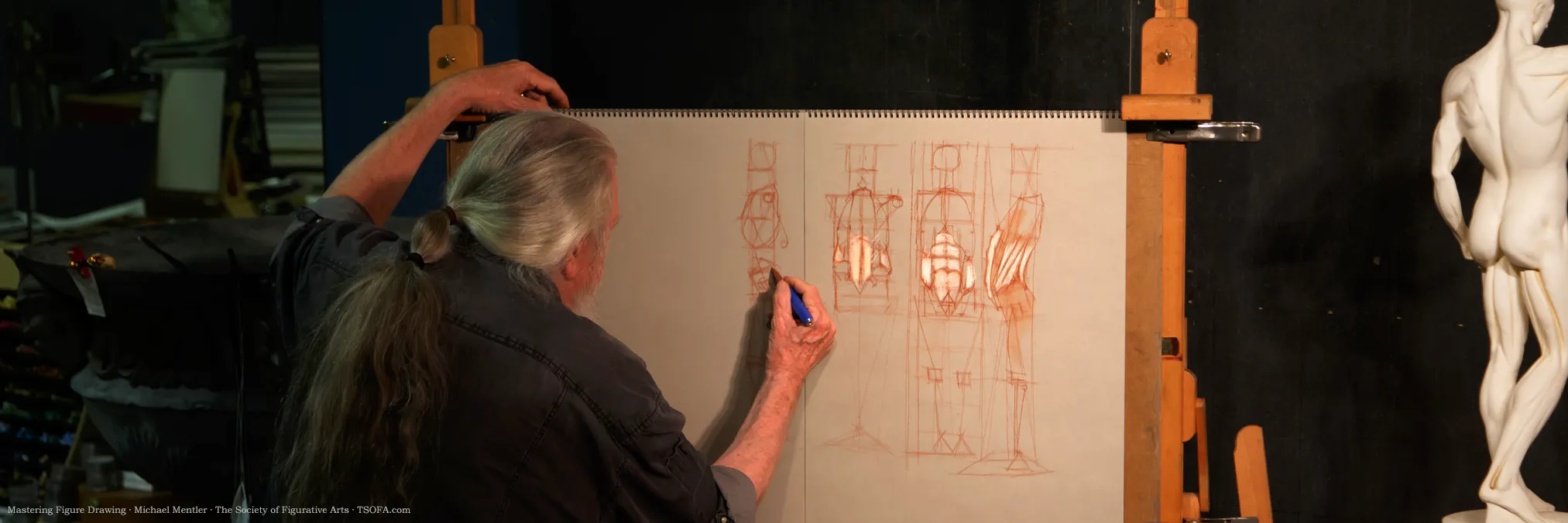
Are you ready to take your figure drawing to the next level? Learn the Mentler Methode figure structure approach online! No disks, no long flights, just press play and dive in at your own pace!
Join us every Friday for a figure drawing session from a model. We will start with short warm-up poses and work our way to longer poses. This is a perfect sequence to work on your gesture!
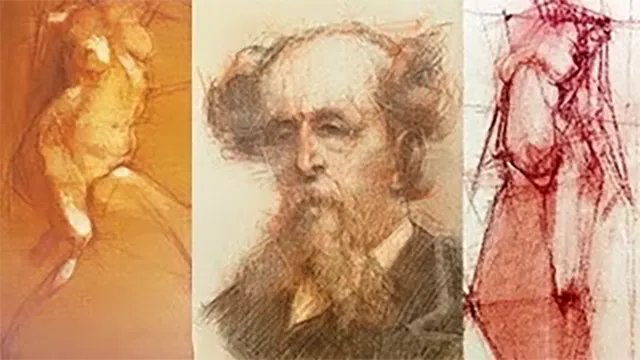
Current Schedule
Every Wednesday
Mentored Session with Michael Mentler
Drawing from Casts, no live model
10:30am – 1:30pm
Cost: $30 per session
Every Friday
Drawing from nude model, short and/or long pose
10:30am – 1:30pm
Every First Saturday of the Month
Drawing from nude model, short and/or long pose
10:30am – 1:30pm
Upcoming Labs & Workshops


Physical Materials
Own a real physical disk or book that will last a lifetime instead of fleeting digital downloads.

PLAN – Figure Drawing Blu-ray

The Book of Bones

Heads, Faces, and Features DVD
Art by Michael Mentler
Visit studio owner’s art gallery. A number of original drawings and paintings by Michael Mentler are available for purchase and ready to be added to your collection.


Latest Posts
-

M. GRAHAM ARTIST OILS REVIEW
Published on
PROSPECTUS:_M. Graham Artists’ Oil Colors are made with a walnut oil binder, an alternative to traditional linseed oil that’s been preferred by artists for centuries. In fact, today it’s known that Renaissance masters such as Da Vinci and Durer generally favored walnut oil over linseed oil. Walnut oil provides rich, vibrant color that is naturally
-
HOW OLD IS OLD?
Published on
The Real Nitty Gritty behind the Heritage Lore of Leading Paint Manufacturers. FACT OR FICTION? OLD HOLLAND 1664:_ In 1664 the members of the Guild of Saint Luke in The Hague set up the ‘Painters’ confraternity Pictura and the Academy of Fine Arts’ in The Hague. They start making their own paint. The beginnings of Old Holland._Owned
-
HOLBEIN EXTRA-FINE ARTIST OILS REVIEW
Published on
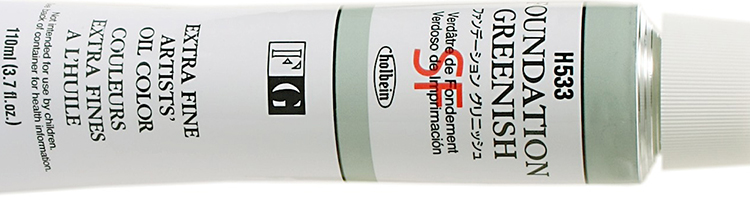
PROSPECTUS:_Holbein ranks as one of the world’s finest lines of professional oil colors. The formulation of each color is modified individually to compensate for the inherent differences in the working characteristics of pigments. The result is an even consistency across the entire palette of color. Holbein maintains its quality standards by test inspection of pigment
-

GAMBLIN ARTIST OILS REVIEW
Published on
Gamblin Artist’s Oils have luscious working properties, and each color possesses unique characteristics in terms of texture, undertone, and tinting strength. The range of colors includes both historically accurate paints and modern, synthetically derived hues. Most are made with alkali-refined linseed oil as a binder, which creates a strong, flexible paint film and yellows significantly
-

Blockx Oil Paint Review
Published on
PROSPECTUS:_In the Blockx tradition, paint is still hand-ground using a slowly rotating three roll stone mill. Only pure pigment is used. All colors have a minimum lightfastness rating of 7 out of 8 on the blue wool scale, so the entire line can be considered perfectly lightfast.Iron oxides, earth pigments, and blacks are ground with
-

What Would Leo Do When Placing His Easel
Published on
‘When you draw from Nature, stand at a distance three times the height of the object you wish to draw.’ LDV’ What Leo advocates here is to place your easel so you can see the Whole subject and the working surface at the same time. For portraits or still-lifes, one’s easel would be relatively close