
Knowledge Vault


All Knowledge Vault Articles
-

Is The Munsell Color Matching System The Best System For Painters?
Posted on
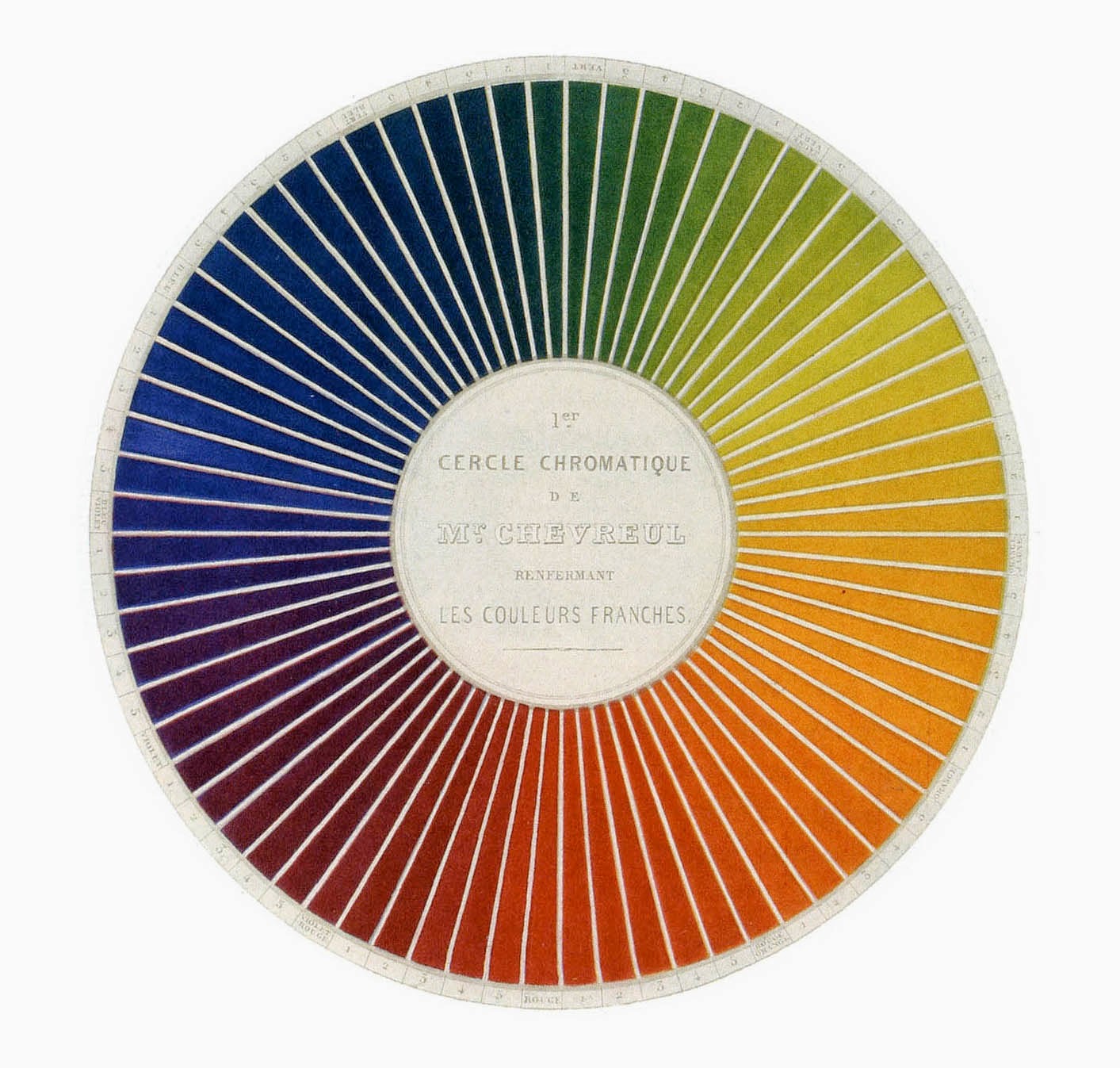
THE SHORT ANSWER IS NO. Color Matching is the key here; a few Realist painters adhere to the Munsell system to match colors. Practitioners of Munsell use his ten basic hues: Yellow (Y), Yellow Green (G-Y), Green (G), Blue-Green (B-G), Blue (B), Purple-Blue (P-B), Purple (P), Red-Purple (R-P), Red (R), and Yellow-Red (Y-R). Lighting and
-

The Other Nicolai Fechin
Posted on
Nicolai Fechin’s figurative works are so influential that one rarely considers his prowess in other genres. The landscape and still life paintings are masterpieces in their own right; his palette knife technique is both brutal and superb. His orchestration of color sets the stage with analogous surrounds highlighting the lead singer. His painting philosophy and
-

Get Some Skin in the Game
Posted on
Fleshing it out, from traditional to transitional Odd Nerdrum works with a very traditional limited palette. He premixes and very seldom goes back to white after he starts. There are no Cadmiums, or Lead White. One should take note that there is no Cadmium Yellow in any of the color strings, there is also no
-
DRAWING VS Craft
Posted on
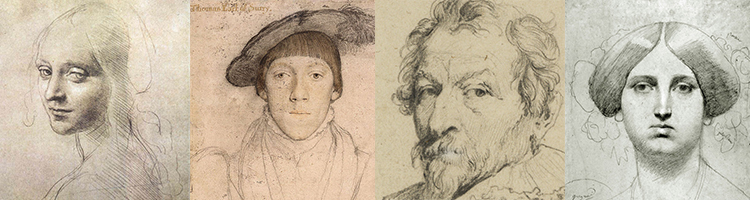
First, one needs to understand that drawing is more than a craft; it is an integral part of the plastic arts. They need to understand what constitutes art and what does not. They need a strong overview and a game plan in order at achieve Mastery. They need to understand the Five Levels of Intent…
-
PROPORTION, ORDER AND HARMONY
Posted on
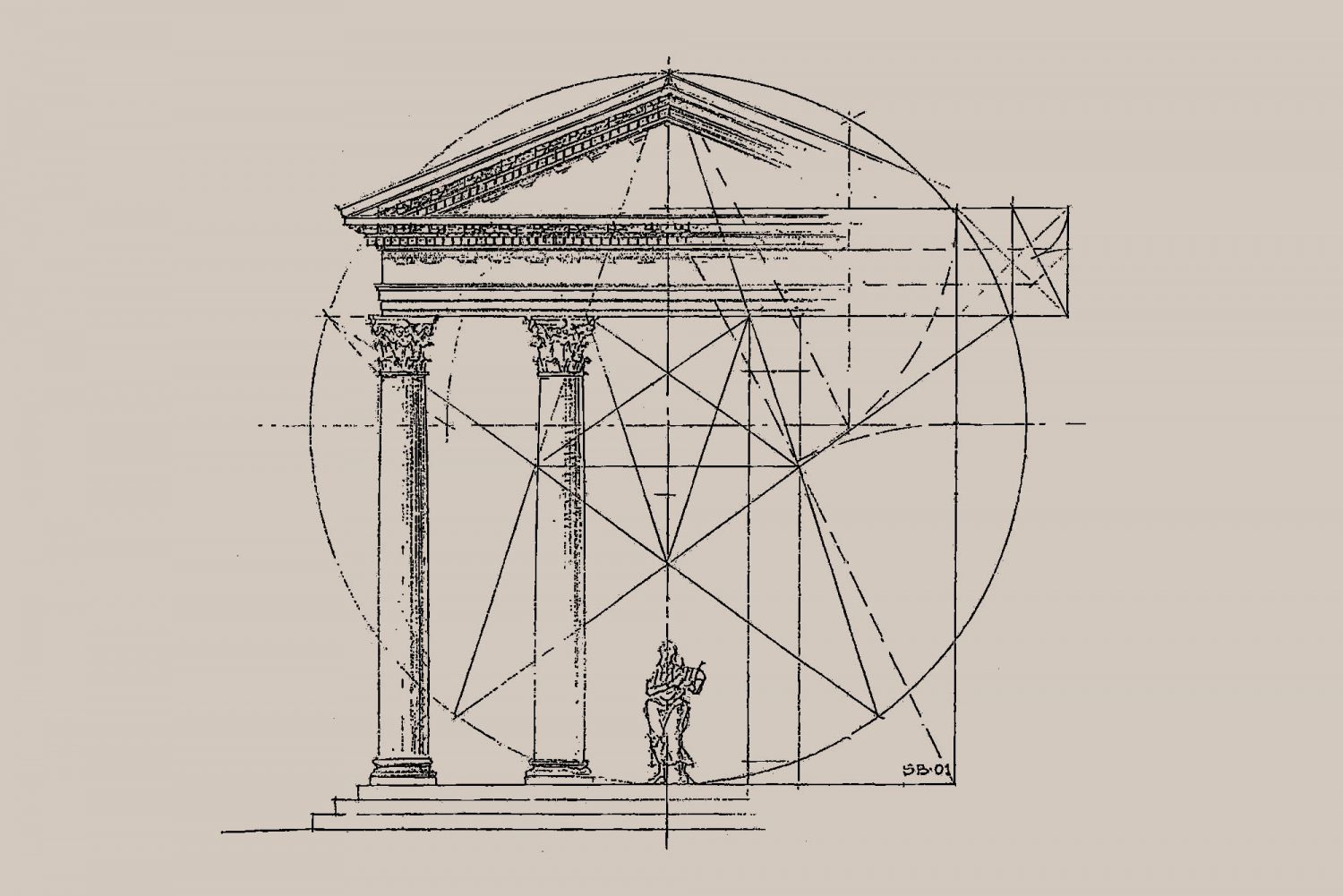
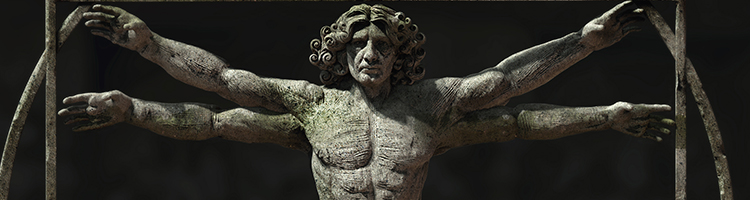
Proportion, Order, and Harmony are the core of the success and vitality of any art form. This is true of all the Fine Arts, i.e., painting, sculpture, architecture, music, and poetry. All things out of proportion are devoid of harmony. Though the subject of proportion is often associated with the human form, it is much more than
-
Gottfried Bammes: mentor extraordinaire
Posted on
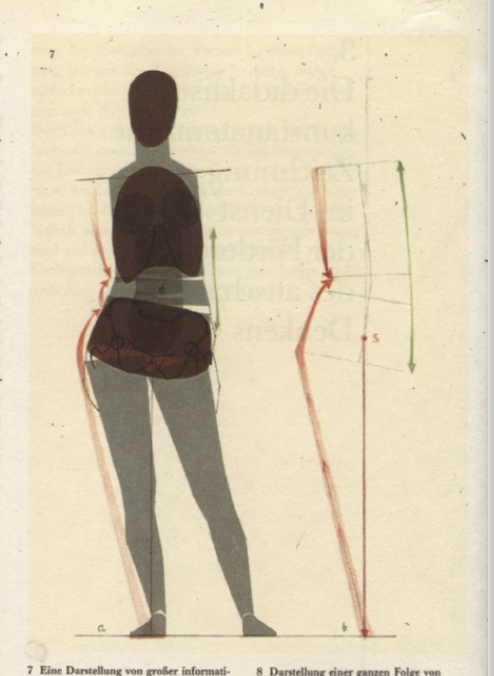
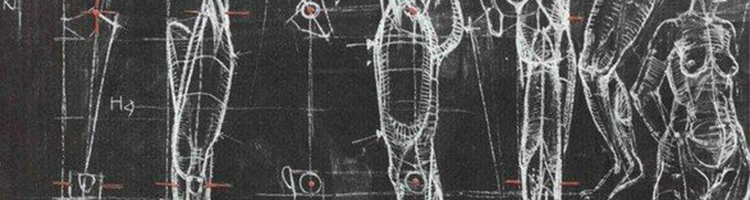
Gottfried Bammes was born in 1920 in Freital, Germany. He would have suffered through WWII’s devastation, and it seems likely he would have served in the German Military. Regardless, he finished his education at the Dresden University of Technology (1957–1959), which would have been in his late 30s. Perhaps, he was in Russian prison
-
OBSERVATION VS. IMAGINATION
Posted on
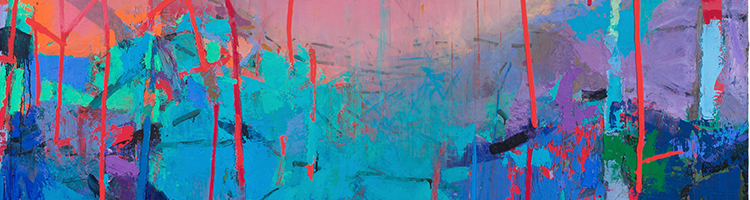
Drawing, like all things in life, is not a choice of absolutes; various factions within the art community would have one believe the exact opposite. Their entire premise is that for something to be right, its counterpart must be evil. This stilted fundamentalist philosophy is not only unuseful; it is detrimental to the creative process.
-
Gestural Expression
Posted on
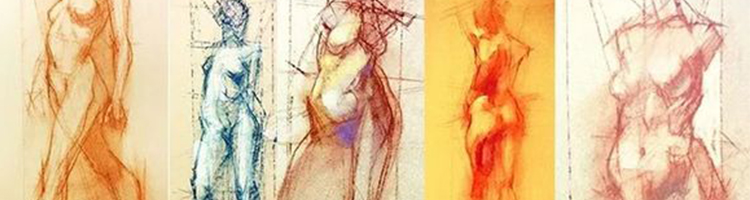
GESTURE – Gestural drawing is the ability to consolidate the observed and imagined visual characteristics of the subject matter and convey the most inFORMation as graphically as possible. Capturing the Gesture or gestalt is about the melding of perception and conception. Gestural drawing is about merging what we know about our subject with our comprehension
-
Munich School_Alfred kowalski
Posted on
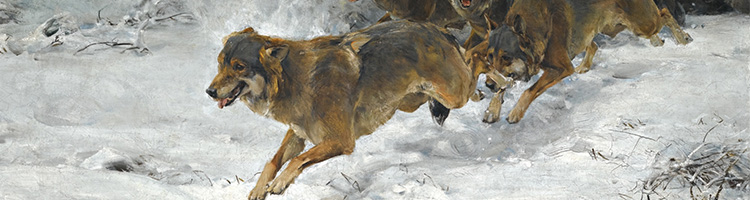
This type of genre realism was greatly out of favor when we attended the Layton School of Art in the mid-60s. They are still not held in high regard by the art establishment. Their social-realism and folksy genre scenes tend toward Rockwellism and contain too much illustrative narrative to be taken very seriously. What can
-
Advice From Charles Hawthorne
Posted on
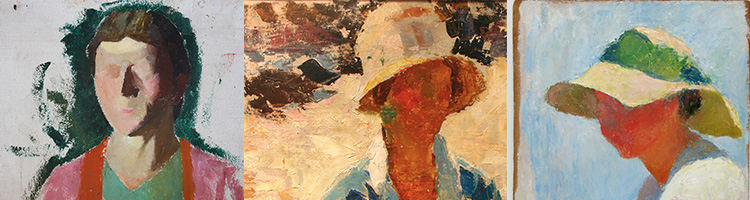
Do studies, not pictures. Know when you are licked — start another. Do not belabor defeat. Be alive, stop when your interest is lost. When your brain leaves the room you are done. Put off finish — make a lot of starts. The Art is in the start. It is so hard and so long before a student