
Art History



All Art History Articles
-
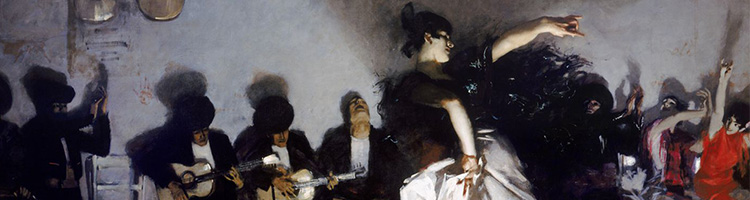
Advice From Sargent
Painting is an interpretation of tone. Keep the planes free and simple, drawing a full brush down the whole contour of a cheek. Always paint one thing into another and not side by side until they touch The thicker your paint — the more your color flows. Simplify, omit all but the most essential elements…
-
Chardin • Real Realism
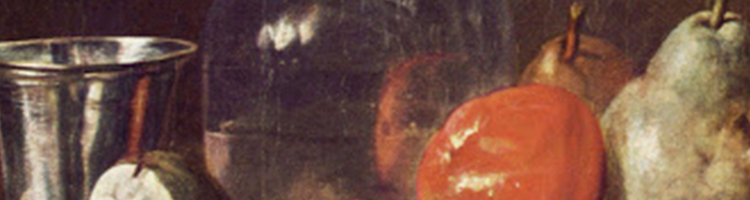
Jean Siméon Chardin was born in 1699 and came to manhood a when the Rococo of Watteau, Fragonard, and Boucher was the style de jour. Rococo rivaled in decadent frivolity, depicting erotic nudity, romantic trysts, and carnality. The reality we associate with painting how we see in the manner of Velasques, Vermeer, and Chardin was…
-
The Brotherhood of Zinc
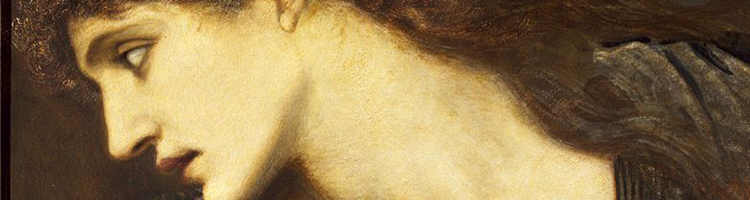
According to the Zinc Zealots, all of the paintings of the Pre-Raphaelite Brotherhood should have fallen off their supports long ago. Obviously that did not happen with the their painting and thousands upon thousands of other paintings done with Zinc White that hang in museums. The Pre-Raphaelite Brotherhood used prepared canvases with layers of flake…
-
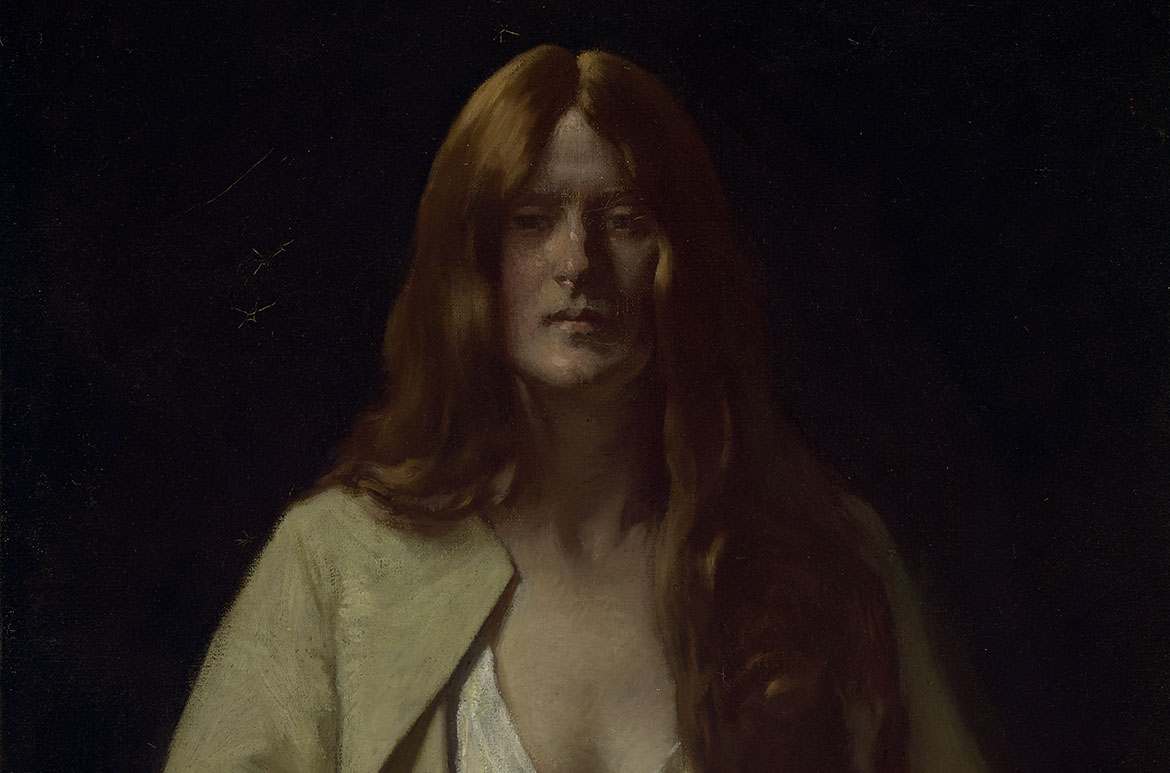
Gertrude Fiske Gallery
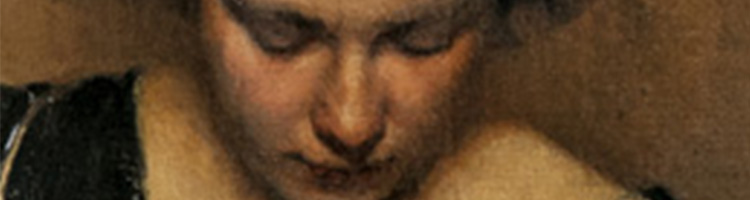
Fiske (1878-1961) was a Boston School Painter, a student and colleague of American Impressionists Edmund C. Tarbell, Frank Benson, Philip Hale, and Charles Woodbury. Fiske (1878-1961) was a Boston School Painter, a student and colleague of American Impressionists Edmund C. Tarbell, Frank Benson, Philip Hale, and Charles Woodbury. Her paintings were composed with an eye…
-
The Twilight of Contour
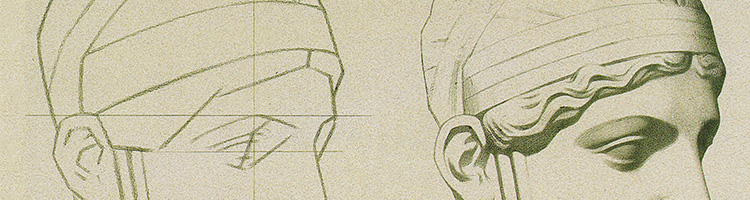
Let us begin with what is known as the Boston School of Painters. Key figures in the Boston School were Edmund C. Tarbell, Frank Weston Benson, and William McGregor Paxton, all of whom trained in Paris at the Academie Julian and later taught at the School of the Museum of Fine Arts. Other painters associated…
-
ACADEMIC XENOPHOBIA
Once upon a time, the French Academy dictated what was defined as Fine Art and what was not. If one did not follow the Academies rules, he was considered unskilled, untalented, and scorned by the Academy. We use ‘He’ here because the official Academy did not admit women. These regulated regurgitated governmental dictums held sway…
-
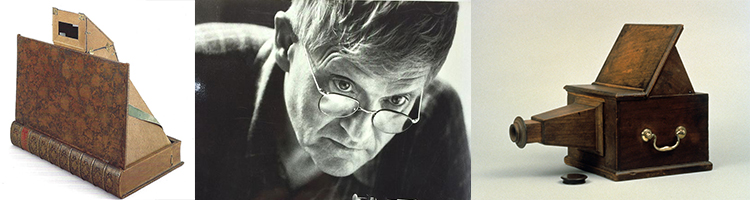
EACH TO THEIR OWN DEVICES
In his book ‘Secret Knowledge’ Hockney and Professor Martin Kemp, discuss known visual procedures of past Masters. This evidentiary material allows the reader to arrive at their own conclusions. There is more than enough scholarly evidence that Vermeer, and many others, used a form of ‘Camera Obscura’ or curved mirror as a visual aide in…
-

Post-Card Putti
The Putti Paintings of William-Adolphe Bouguereau pose an openly disturbing question. Are these fluttering Putti, naked Ninos and pre-pubescent young girls Angelically endearing or Bacchanalian? These Images of breast caressing maidens awaiting spoil were typical of the Salon paintings of the era that saw the demise of Academic History Painting Bouguereau is, without doubt, objectifying…
-
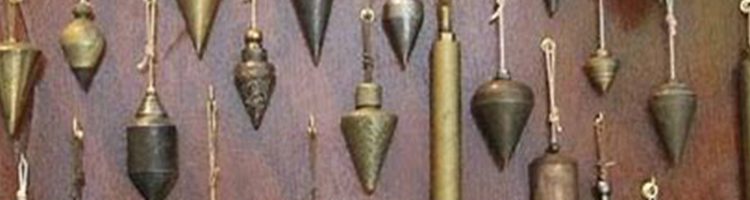
THE PLUMMET OF TRADITION
Sight-size and the Bargue debacle do not align with the main-stream of traditional artistic practices. There is an inherent danger that over absorption in this kind of academic study neglects the development of the students’ intuitive, creative abilities. It is the possession of said abilities, which will enable them to become an artist. IMITATION is…
-

THE SOCIETY OF FIGURATIVE ARTS
As the name implies, Figurative Art is our main focus and has been for decades. The Society was created to provide fundamental skill-sets, aesthetic sensibilities, professional practices, and materials expertise to those individuals in pursuit of multiple creative endeavors. TSoFA focuses on individual creative potential and provides pathways to help them achieve it. We serve…