

Join us every Wednesday, every Friday, and on the first Saturday of the month for a figure drawing session from live model in Carrollton, TX.
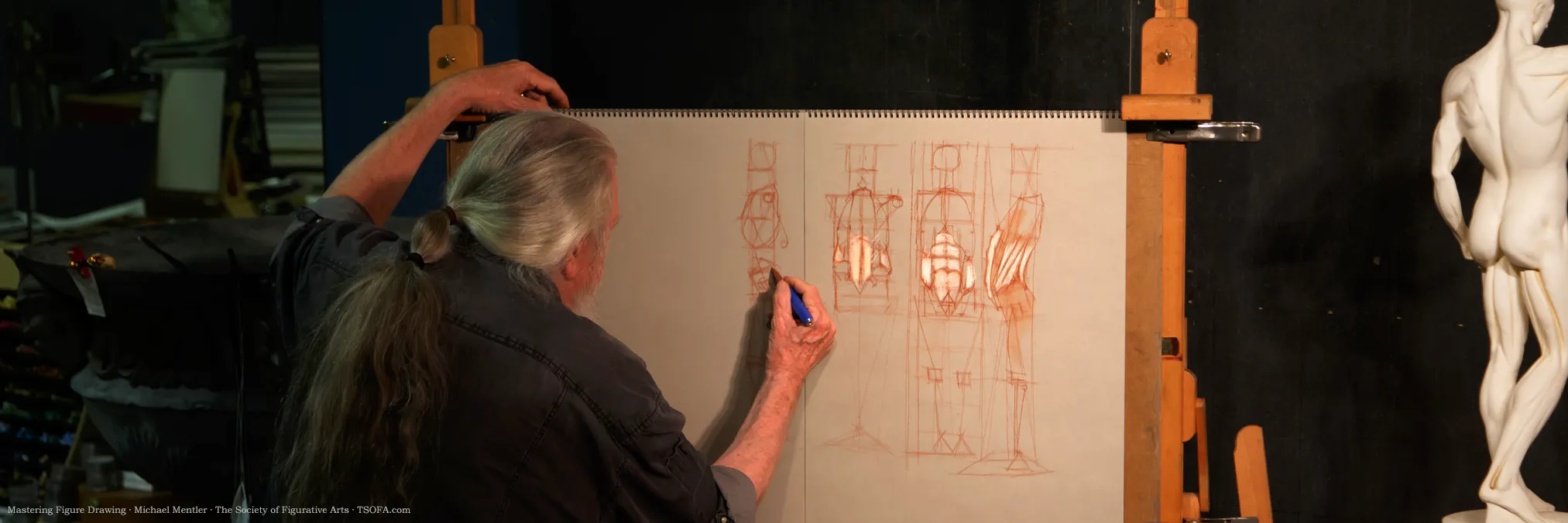
Are you ready to take your figure drawing to the next level? Learn the Mentler Methode figure structure approach online! No disks, no long flights, just press play and dive in at your own pace!
Current Schedule
Every Wednesday
Drawing from nude or costumed model, long pose
10:30am – 1:30pm
Every Friday
Drawing from nude model, short and/or long pose
10:30am – 1:30pm
Every First Saturday of the Month
Drawing from nude model, short and/or long pose
10:30am – 1:30pm
Subscribe
Receive updates about new posts and workshops in your mailbox.
Upcoming Labs & Workshops


Physical Materials
Own a real physical disk or book that will last a lifetime instead of fleeting digital downloads.

PLAN – Figure Drawing Blu-ray

The Book of Bones

Heads, Faces, and Features DVD
Art by Michael Mentler
Visit studio owner’s art gallery. A number of original drawings and paintings by Michael Mentler are available for purchase and ready to be added to your collection.



Latest Posts
-
Portrait drawing process by Michael Mentler
Published on
Michael Mentler is the master behind the Society of Figurative Arts, subscribe to his YouTube channel for drawing process videos and tips!
-
THE TRINITY OF MASTERY
Published on
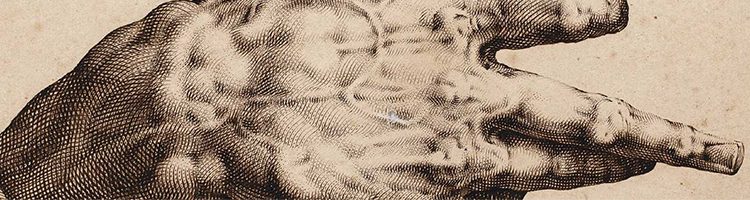
Core Academic Training There are three areas where the apprentice has the most to learn. They are: drawing from life, drawing masterworks, and drawing from imagination. The apprentice must include a third of each in their studies as the world’s great masters have done for over six centuries. Practitioners in past centuries studied and analyzed…
-

ARC AND ‘CONSERVATIVE REALISM’
Published on
Being an advocate of skill-based training and having spent several decades in the pursuit of those skills I am diametrically opposed to those who would purposefully try to dumb-down as many non-Socratic thinkers as possible in the name of ‘art’. The first glaring problem with ARC’s philosophy is that they have none. Philosophy would denote a…
-
ARCHITECTONIC DISEGNO
Published on
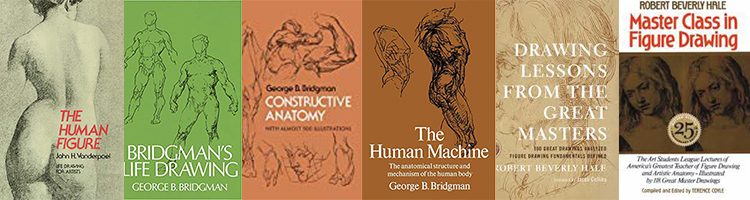
The apprentice’s advancement requires a careful study of figure structure, as elucidated by Richer, Bridgman, and Hale, familiarizing themselves with the bony structure of the skeleton, and the location, origin, insertion, and function of the muscles. FIGURE STRUCTURE Architectonic Disengno The Architectural Design and Structure of the Human Form The skeletal system is compliant with…
-
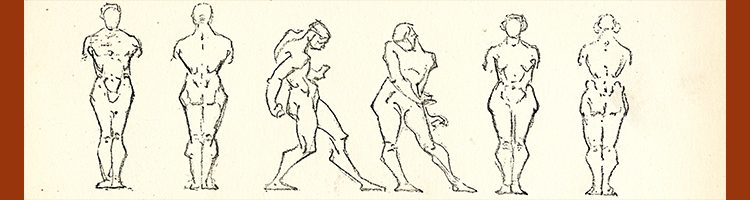
THE FOUR ELEMENTS OF MASS CONCEPTION
Published on
THE FOUR ELEMENTS OF MASS CONCEPTION The apprentice should make a daily practice of drawing cubes, spheres and cylinders. In the architectonic drawing, all other forms are composed of these forms or parts of them. The master draughtsman can give the illusion of any complex subject by combining the simple forms or parts of the…
-
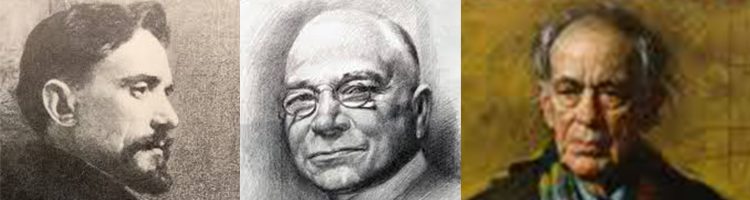
Methods of the Masters
Published on
The ideas and methods presented here are mass conceptions that have proven to be useful in the construction of the human form. These methods were developed over the past several decades from study and absorption of works from many of the usual suspects. John Henry Vanderpoel, George Brant Bridgman, and Robert Beverly Hale form the…