
Tag: classical aesthetics
-

NONFINITO – The Art of Unfinished
Posted on
The idea of a finished work of art is very transient and illusive. I once heard the famous sculptor Jacque Lipschitz respond to the question of “how do you know when a work is finisted” his response was “when I stop working on it.” Of course Lipschitz worked in a more abstracted genre which made
-
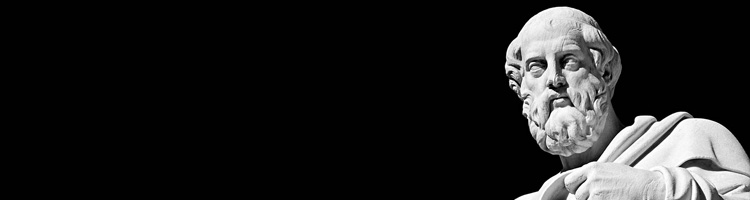
Plato For Non Philosophers
Posted on
We know philosophy and philosophers may cause some confusion amoung artisans that don’t want to dwell to deeply into the web of aesthetics and theory. Basically, Plato taught an approach to ideal form based on abstract, universal concepts that lay beyond nature. His student, Aristotle, believed that nature could provide clues to the ideal. Raphael
-

Classical Aesthetics
Posted on
https://faculty.mtsac.edu/cmcgruder/index.html (500 B.C.E. – 400 C.E.) Aesthetics is a modern term. It entered the philosophical vocabulary in the eighteenth century. Art and its effects attracted attention of thinkers virtually from the beginning of Western thought. Art is so closely associated with the central cultural and religious forms of life in the classical world that it was
