
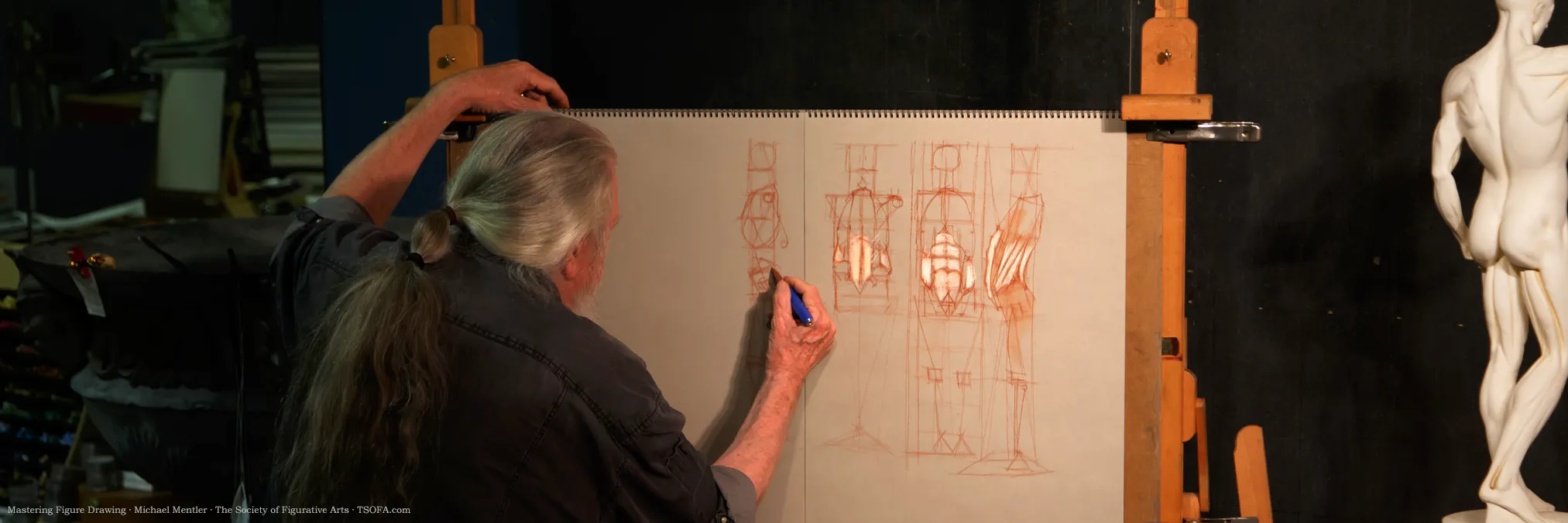
Are you ready to take your figure drawing to the next level? Learn the Mentler Methode figure structure approach online! No disks, no long flights, just press play and dive in at your own pace!
Join us every Friday for a figure drawing session from a model. We will start with short warm-up poses and work our way to longer poses. This is a perfect sequence to work on your gesture!
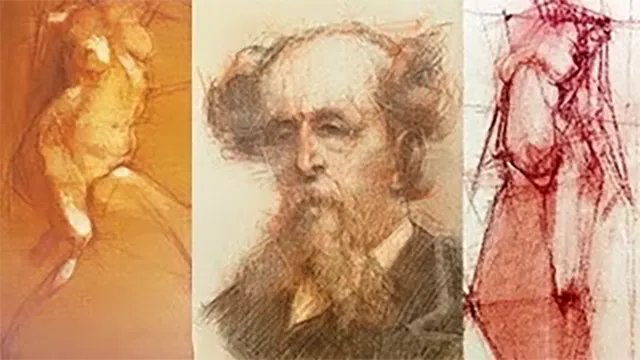
Current Schedule
Every Wednesday
Mentored Session with Michael Mentler
Drawing from Casts, no live model
10:30am – 1:30pm
Cost: $30 per session
Every Friday
Drawing from nude model, short and/or long pose
10:30am – 1:30pm
Every First Saturday of the Month
Drawing from nude model, short and/or long pose
10:30am – 1:30pm
Upcoming Labs & Workshops


Physical Materials
Own a real physical disk or book that will last a lifetime instead of fleeting digital downloads.

PLAN – Figure Drawing Blu-ray

The Book of Bones
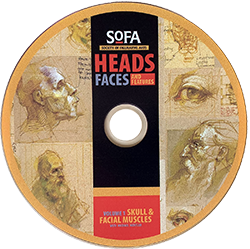
Heads, Faces, and Features DVD
Art by Michael Mentler
Visit studio owner’s art gallery. A number of original drawings and paintings by Michael Mentler are available for purchase and ready to be added to your collection.


Latest Posts
-

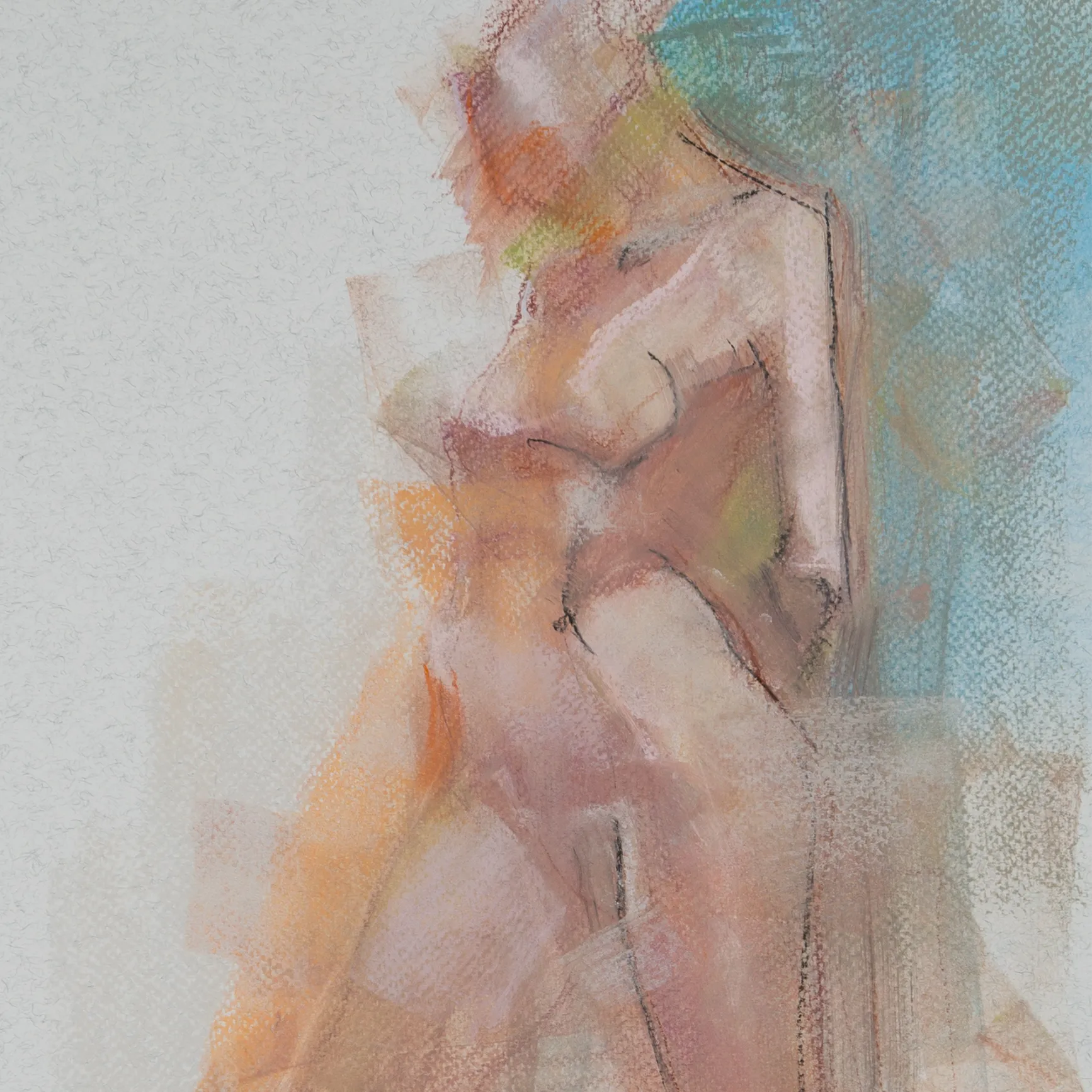
The Figurative Arts Defined
Published on
What is Figurative Art – Here is the Term Definition from the Tate The term has been particularly used since the arrival of abstract art to refer to artists that retain aspects of the real world as their subject matter, though in a general sense figurative also applies retrospectively to all art before abstract art. Modern figurative
-
Renaissance Overview
Published on
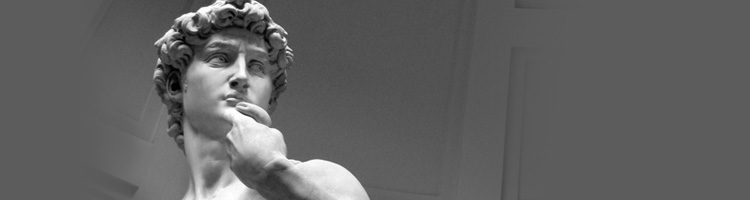
Renaissance The Renaissance was a fervent period of European cultural, artistic, political and economic “rebirth” following the Middle Ages. Generally described as taking place from the 14th century to the 17th century, the Renaissance promoted the rediscovery of classical philosophy, literature and art. Some of the greatest thinkers, authors, statesmen, scientists and artists in human
-
Ruskin on Anatomy
Published on
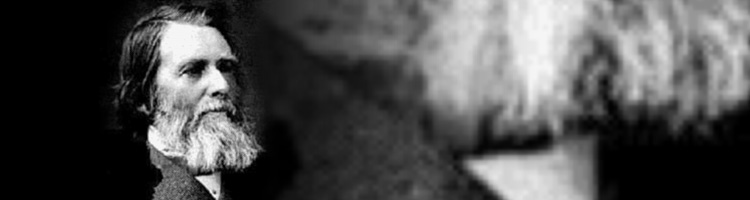
Mister Ruskin, who is wrong on most things art, elects to downgrade the whole of art to appeal to the common man. This is an attempt to place visual literacy as the same level of attainment of all art past or present. Ruskin’s vision of naturalism largely propagates the idea that we draw what we see, this
-

Interpreting The Tao ‘The Way’
Published on
Sie Ho’s Six Laws These are guiding universal principles of creative guidance. The straight interpretation from the Chinese doesn’t quite get us to a point of understanding without some additional explanation. 1st. Consonance of spirit engenders the movement (of life) 2nd. The law of bones by means of the brush 3rd. Form represented through conformity
-
Training In The Renaissance Workshop
Published on
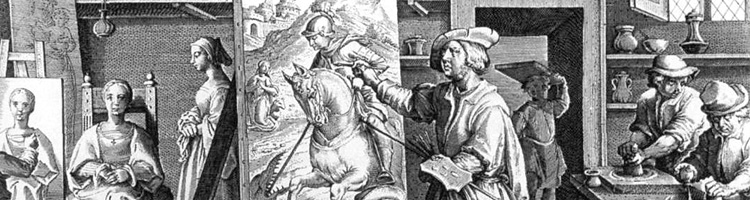
Training of the ‘Garzoni’ or apprentices in the Renaissance Masters workshop was far different then one imagines. The length of the apprenticeship varied and the what they were apprenticing to be also differed. Not everyone apprenticed to be and artist, many were trained to be ‘artisans’. The apprentices were expected to learn to draw and paint in
-
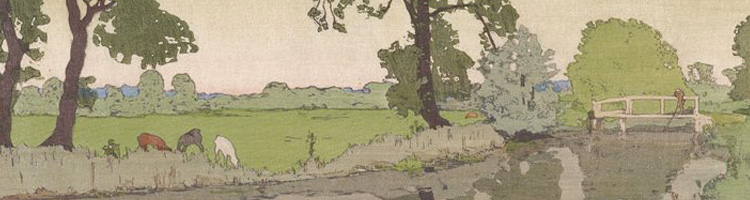
Colour Control the Harmonic Palette
Published on
Frank Morley Fletcher’s ‘Palette Control’ is based on musical metrics of major keys and minor keys 5-3-4 and 4-3-5. https://www.barnstonestudios.com/blog/oil-painting-and-palette-control-newsletter-from-1979/