
Articles



All Articles
-
Plato For Non Philosophers
We know philosophy and philosophers may cause some confusion amoung artisans that don’t want to dwell to deeply into the web of aesthetics and theory. Basically, Plato taught an approach to ideal form based on abstract, universal concepts that lay beyond nature. His student, Aristotle, believed that nature could provide clues to the ideal. Raphael…
-

Lessons From Diebenkorn
http://blogs.getty.edu/iris/what-diebenkorn-and-matisse-taught-me-about-the-hard-work-of-making-art/
-

Drawing In Tintoretto’s Venice
https://www.nga.gov/exhibitions/2019/drawing-in-tintorettos-venice.html
-
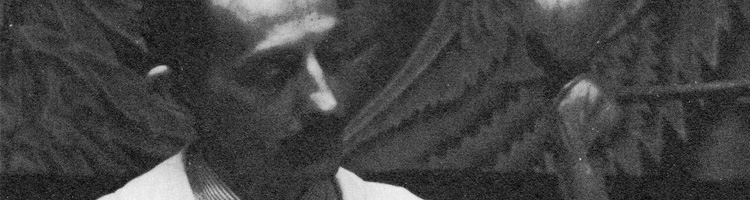
The Blind Leading The Blind
The Natural Way to Draw Kimon Nicolaïdes book “The Natural Way to Draw” has long been a staple of lower school art instructors. The one exercise that seems to get the most abuse is the blind contour. Once again we have a piece of the puzzle taken out of context of the whole program. Sort…
-
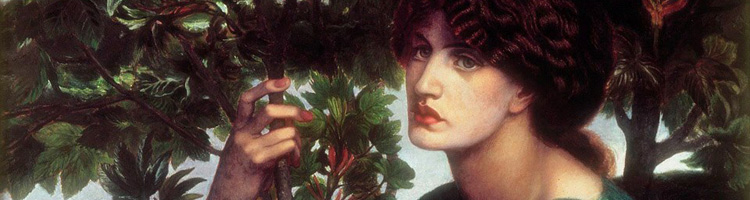
The Pre-Raphaelite Brotherhood
Although, The The Society of Figurative Arts and Artists is committed to preserving and advancing the best of classical traditions we also offer up what are broadly considered to be some of the worst moments in the venerable traditions of Art. Ruskin and the Pre-Raphaelite Brotherhood set out to break down classical tradition by defaming it…
-

Munsell, a Color Matching System for type (A) Painters
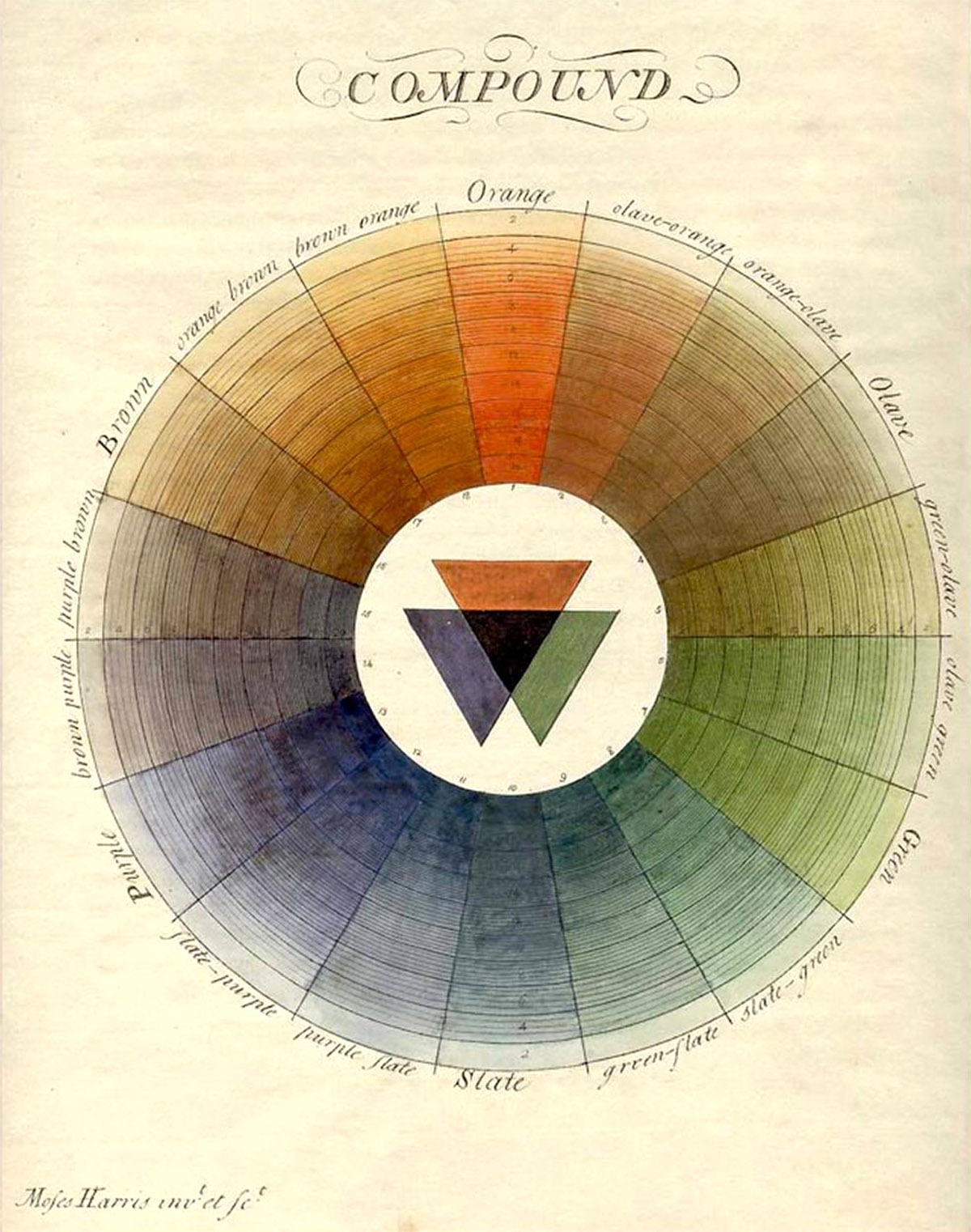
Match Made in Heaven If you want to know what local color you see in nature, and want a scientific method to match that color, then the Munsell Color System may be just what you are looking for. This is a near perfect, color matching, solution for those that seek out a recipe and follow…
-

Architectonic Form
In the basic Renaissance Tradition, a point is a line on end, a line is the edge of a plane, and the plane is the skin on a form. In this system there is no such thing as shapes only planes which are always part of a form unit. We first visualize the form units…
-

Our Library
The Venerable Society of Fine Arts and Artists maintains one of the most extensive libraries of books on and about art in the western world. Resource number one: Amazon Resource number two: Yale’s Compilation of Resources Resource number three: Yale Resource number four: The Smithsonian Resource number five: Stanford Resource number six: My Modern Met…
-

The Barnstone Banter
Myron Barnstone taught in the Lehigh Valley of Pennsylvania for over 35 years. He single-handedly keep Classical drawing traditions alive and well for many hundreds of students. The following link will take you to a few of Myron’s very insightful newsletters: Barnstone Newsletters
-
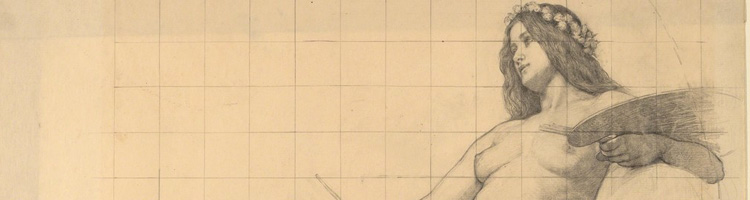
Humble Pie
“It has been said that the criticism of art by an artist is never anything else than an apology for his own work. This is so far true that the expression of opinions definitely held must be the expression of ideals consciously striven for, but I should be sorry to have it thought that my…